-
Scott
- Dropped out of college at 19 and drove 1,200 miles to Colorado to work at a vacation rental management startup, where he learned customer service, networking, blogging, and basic business operations
- Never made more than $40-50K per year pre-tax in the years after leaving college, so he considered himself broke despite trying many creative jobs
- Started making videos in 2016 in junior high school using Adobe Illustrator for class presentations, then moved into photography, and eventually settled on video production
- Did all kinds of video work including music videos, event recaps, and wedding shoots, but struggled to scale and didn’t know how to monetize effectively
- Stumbled onto “Money Twitter,” which taught him how to monetize existing skills at a higher level and get into the technical side of business
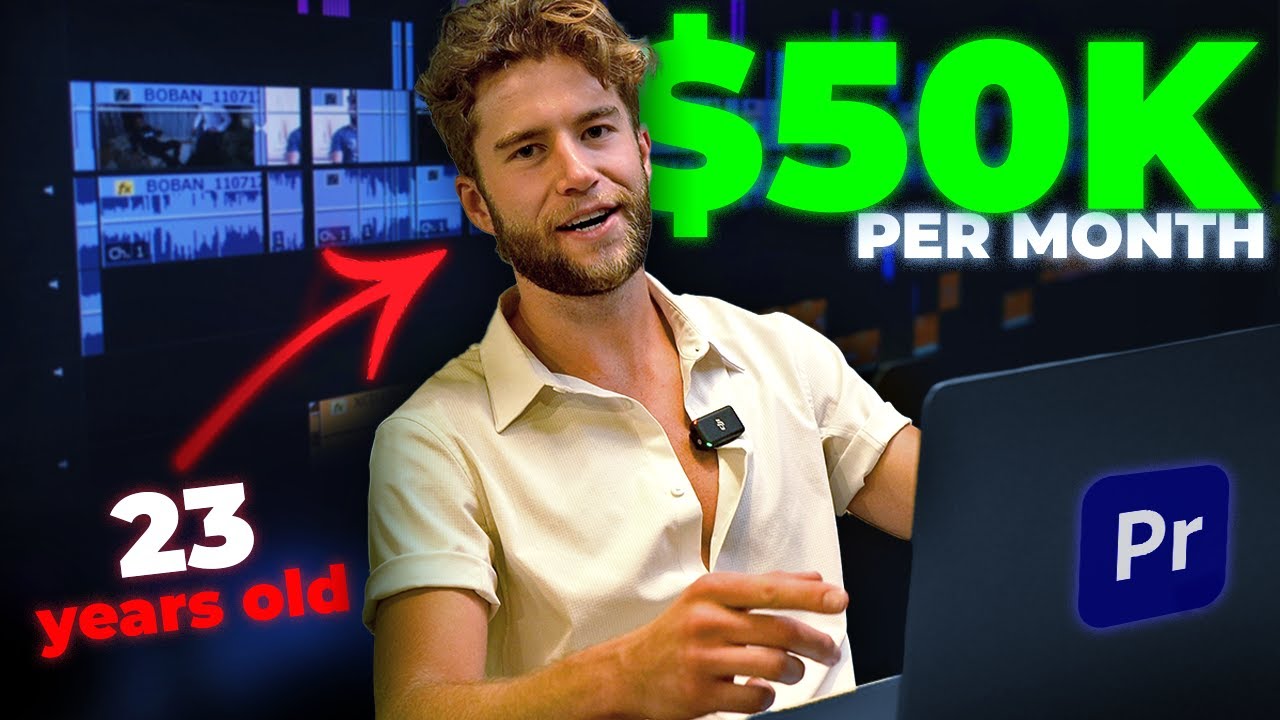
- Grew the business from roughly $7K/month to $50K/month within about a year by repackaging the offer and niching down
- Now runs a one-person business with a small international team of about four contractors, including a closer and fractional operational support
- Works roughly eight hours a day doing project management, client communication, content creation, and overseeing his team
- Takes weekends lightly, doing some work to maintain momentum, and recently took a week off in California while still having the flexibility to work remotely
-
Products and Offerings
- Runs a productized service for B2B SaaS companies, functioning like an agency but sold like an e-commerce product
- Core offering is short animated videos designed as paid ads to stop scrollers and drive demo bookings
- Packages include a set of videos reformatted for multiple platforms plus retargeting ad setup (not management)
- Average order value is around $3K, with newer packages ranging from $6K to $12K
- First video ever sold was for $500 before prices were increased over time
-
Metrics and Financials
- Averages $50,000/month in revenue, fluctuating between roughly $35K and $55K depending on lead flow
- Gross profit margins are about 65%, with net margins between 40-50%
- Monthly tech stack costs are approximately $1,200
- Labor costs vary depending on how many videos are being produced
-
Strategy and Growth
- Primary growth engine is cold outreach via cold email, Twitter DMs, and LinkedIn Sales Navigator, combined with organic social content
- Ideal customer profile is VC-backed or seed/series A funded B2B SaaS companies that have budget to spend
- Cold email reply rate is about 4%, requiring outreach to thousands of prospects to book calls
- Sales funnel has three stages: top of funnel (organic content, DMs, cold email), middle of funnel (prospects book a call), and bottom of funnel (closer handles the sale)
- Niching down repeatedly, from videos in general to short videos for online brands to short animated videos for B2B SaaS, was the key turning point that made growth accelerate
- Repackaging from selling one-off videos to bundled packages with retargeting setup helped push revenue past the $12K/month ceiling
- Building an audience on Twitter by posting daily educational content about using video to get more customers was the foundation for inbound leads and attracting talent
-
Tech Stack and Infrastructure
- Uses cold email sending software, list management tools, Slack, and Stripe for payments
- Entire team is remote and international, with contractors rather than full-time employees
- All fulfillment and communication happens through this stack, keeping overhead low and operations lean
-
Lessons and Advice
- The single most important mindset shift was moving from scarcity to abundance, fully leveraging existing resources like knowledge, network, and skills to produce more
- Packaging skills into a productized service is far more effective than selling time because you are paid for expertise, not hours
- Niching down feels counterintuitive but accelerates growth because it makes it obvious who the product is for and who it is not for
- To turn a creative skill into a business, get on social media, post consistently every day for at least an hour, and create educational content specific to what you do
- Spend money on reputable coaching and programs to get direction, then learn by doing through repetition
- Follow what you are good at and enjoy rather than blindly following passion, because being good at something makes it easier to do every day even before the money comes
- Building an audience naturally attracts motivated talent who want to work with you