-
John Rush
-
Background and origin story
- Spent 10 years working in VC-backed startups but felt it was against his nature—he was obsessed with users and products, while the VC world focused on exits
- Father was an entrepreneur who involved him in business from a young age
- In 2022, entered the bootstrap scene and bought Unicorn Platform from its founder for nearly $1 million, with the seller staying on as his mentor for a year to teach him bootstrapping
- Transformed from a VC founder who knew nothing about bootstrapping to a prominent figure in the indie maker movement
-
Current business status
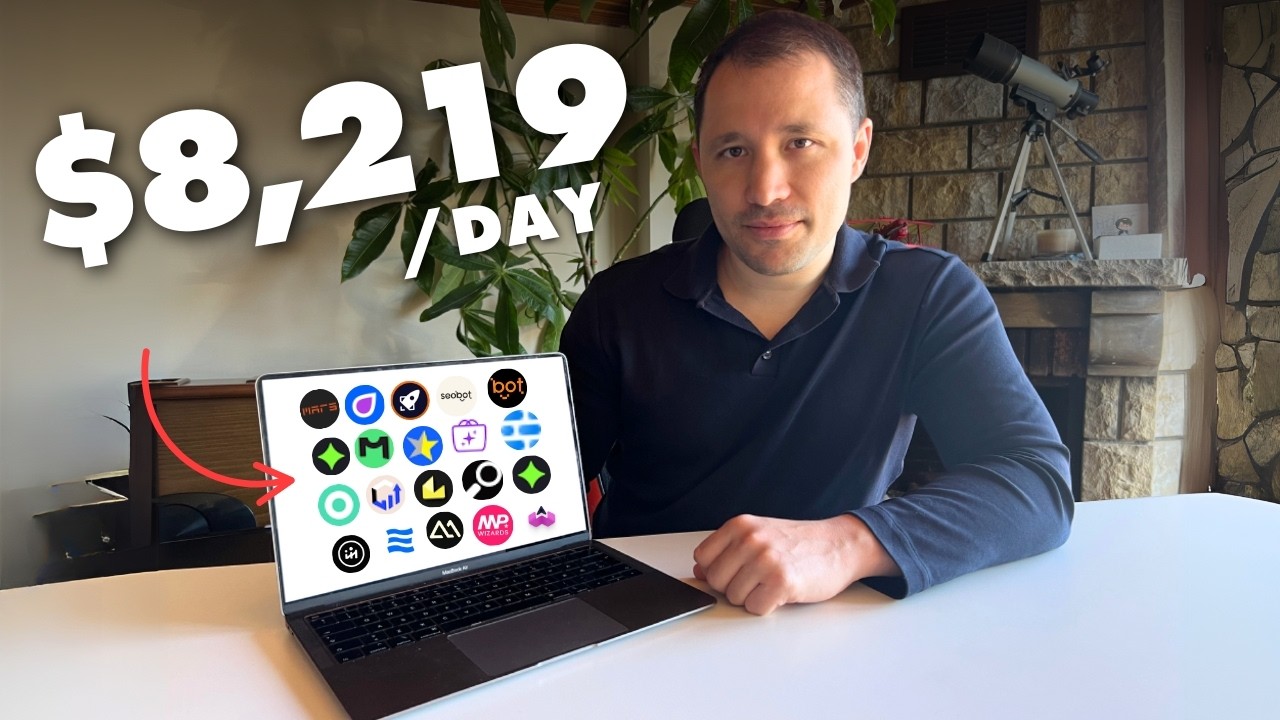
- Runs 26 different apps and projects simultaneously
- Combined B2B user base of approximately 1 million
- Combined ARR of $3 million, with 7 products generating most of the revenue and others serving as audience channels
- Products are all designed for busy founders
-
-
Products and Offerings
-
Unicorn Platform
- Website builder and directory builder for busy founders
- 600,000 users—the most popular tool in the portfolio
- Has human support agents because “AI doesn’t have the soul” and users create relationships through human interaction
-
SEO Bot
- $100k MRR, reached in under 12 months
- One of the first SEO AI agents on the market
- 70% margin ($30K/month API costs on $100K revenue)
-
Listing Bot
- Finds all relevant directories on the internet and lists products there
- Integrated with SEO Bot via a “boost my domain rating” button that cross-promotes between products
-
Nova
- AI project manager that manages all projects with co-makers
-
-
Ideation Process (Blueprint for All Products)
-
Starts with personal pain at work that needs solving
-
Searches for existing solutions—if none found, discusses the pain publicly online
-
If others resonate and express the same pain, launches a waitlist aiming for 100 signups
-
Emails all signups offering 90% discount on pre-sale before building anything
-
If 5 sales achieved, builds first MVP manually (no code) and delivers the solution service-style
-
Iterates manually until users are satisfied—easier to iterate without code because only routines need changing
-
Once product-market fit is found, brings in a co-maker on a 50/50 ownership split
-
Co-maker handles coding and support; John handles operations, legal, and accounting
-
Spends 2-3 months building with co-maker, then launches big on Twitter
-
Finding co-makers: builds relationships with other makers over time; after validation with pre-sales, it’s easy to convince them to join since the idea is proven
-
-
Marketing Strategy
-
Believes good marketing stems from a good product—ideal marketing is when the product drives word-of-mouth
-
With average products, uses “boring marketing” to bring first users, then improves the product
-
Primary channels:
- SEO for initial user acquisition
- Social media marketing on X, LinkedIn, Substack, and Facebook—repurposes the same content across all platforms, posting at least 30 tweets per month
- Directory listings—particularly effective for AI products that are “clickbaity”
- Cross-promotion between products—users who try one product often try others, and some try the entire ecosystem
-
Cross-promotion strategy:
- Links tools to each other directly
- Integrates products so users flow naturally from one to another
- Premium tools make money; free tools bring traffic and channel it to paid products
-
-
AI Usage Across the Business
- Built a custom AI code generator for building all SaaS products, no-code tools, and AI agents—calls AI in coding “probably the best application of AI in the modern days”
- Uses AI for design—generates all logos and images with AI, avoiding designers for most work
- Uses AI for research instead of hiring people—gives tasks to GPT research mode and gets complete data tables in 10 minutes
- Uses AI extensively for marketing: SEO, email generation, copywriting, and ad generation
- Uses AI for operations via Nova, which manages all co-maker projects
-
Tech Stack and Infrastructure
- JavaScript and Tailwind for coding—turned out to be perfect for AI code generation
- Grok for learning and research (connected to real-time tweets where the best data lives)
- Discord for chats and project management
- Apple Notes for writing (simplified after trying complicated tools)
- Code, Gemini, and OpenAI APIs inside tools—switches between models monthly as they improve
- Non-AI tools have 90% margins; AI tools have 70% margins due to API costs
-
VC vs. Bootstrapping
- VC world: everything optimized for exits, pays for growth, increases headcount to boost valuation
- Bootstrap world: optimizes for profits, wants product-led growth, aims to cut headcount ideally to solo founder with no costs
-
A Day in the Life
- Lives in a forest with family, children, and animals
- Wakes at 10 AM, spends morning caring for animals, exercising outdoors
- Works 5 hours, spends afternoon with kids for 2-3 hours
- Works another 5 hours after kids sleep
- Sleeps at 4 AM (6 hours per night)—acknowledges this may need to change
-
Lessons and Advice
-
Building in public has greater value than just marketing—it builds a direct channel with the audience that helps create better products
-
Before building in public, 90% of products failed; after, only 10% fail because feedback allows adjustment before shipping
-
Key advice for founders:
- Founder-market fit is the most important thing—don’t look for random ideas in random spaces
- Build something you understand deeply, preferably for your own work
- At any job, there are hundreds of problems solvable with software
- Build for your own pain points where you have passion and expertise—that’s an unbeatable advantage
-